7 Painting Ideas for Beginners Who Don’t Know What to Paint
Find a first painting subject in leaves, flowers, a cup or a little house, with a simple exercise for each idea and tips for choosing a small palette.
By Spare Hours · 6 min readPublished
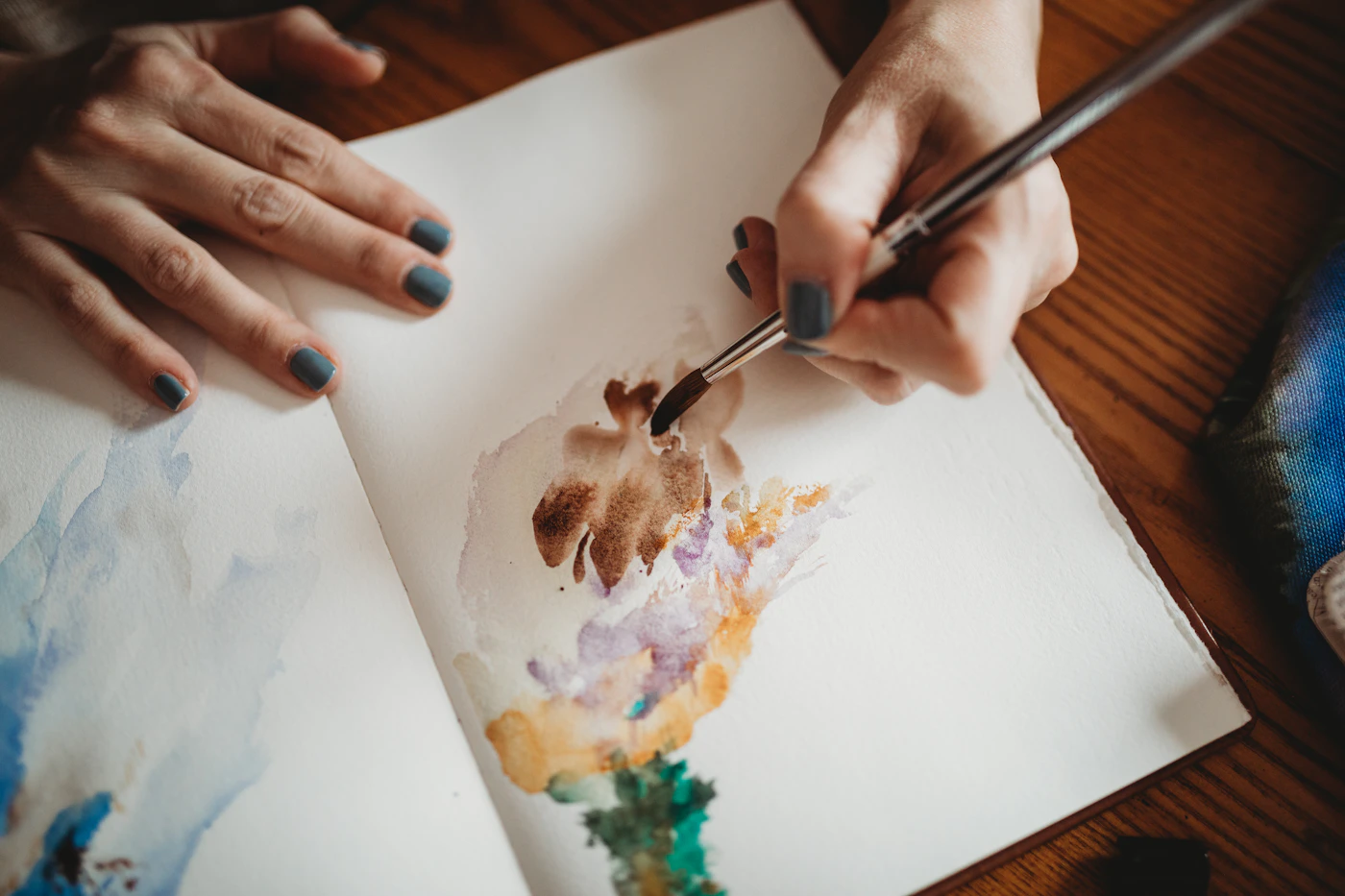
An empty page can make choosing a subject feel harder than picking up a brush. Start with something you can describe in a few shapes: one leaf, a flower with broad petals or a cup with a simple handle.
These seven ideas give you a small task to try. Choose one for your next session, keep the background simple and test your colors on spare paper before starting the picture. If you still need supplies, begin with the painting hobby guide.
1. A single leaf
A leaf lets you practice filling a shape and adding a darker detail. Look at a real leaf if one is available, then draw a loose outline with a pointed tip. Leave tiny notches and complicated veins out of the first version.
With watercolor, fill the outline with a light green wash and let it dry. Test a darker green on spare paper before adding a shadow along one edge or a few veins. Make another leaf beside it with a lighter first layer, then compare the two.
Small task: paint two leaves using the same green, changing the amount of water. Notice how the lighter wash lets more of the paper show through.
2. Overlapping color shapes
You can explore paint without drawing an object. Choose two colors and make a few circles, rectangles or irregular patches. Leave some white space between them so you can see each edge.
For watercolor, let the first shapes dry, then overlap part of one with a transparent wash of the second color. Compare the overlap with the separate colors. If you use acrylic, try one opaque shape over another instead; the layering will behave differently.
Small task: make a row of three pairs of shapes. Keep the colors the same and change which shape goes on top. This is a page for observing the medium, so there is no composition you have to copy.
3. A flower with broad petals
Choose a flower you can simplify to a center and a few petals. A loose daisy-like shape is a manageable starting point. Draw the center first, then place broad petals around it without trying to make every one identical.
Use one color for the petals and a second for the center. Let the first layer dry before adding a small darker mark near the base of a petal. Add a stem only if you want one; a single flower can fill a small page.
Small task: paint two versions, one with wider petals and one with narrower petals. Choose the shape you prefer for the next attempt, rather than adding detail to both at once.
4. A favorite cup
A cup is a familiar subject you can put in front of you. Look for the oval at the top, the shape of the body and the handle. Sketch those three parts lightly. You can leave patterns, lettering and reflections for a later version.
Begin with a pale layer across the cup, then let it dry before adding a darker area on one side. Keep the rim and handle simple. If the shape feels difficult, draw two or three small outlines before deciding which one to paint.
Small task: paint the same plain cup once in blue and once in a warm color. Compare which version you enjoy looking at and how clearly the light and dark areas show.
5. A small sky study
A small rectangle of sky gives you room to explore a wash without filling a whole landscape. Start with one blue and a horizontal strip of watercolor paper. Test a pale mixture before painting.
Paint a band of blue near the top, then use a clean, damp brush to bring a lighter wash below it. You may see edges where one stroke meets another; observe them and adjust the next attempt. Leave some white paper unpainted for simple cloud shapes if you like.
Small task: make two sky rectangles, one with a lighter starting blue. Let both dry before choosing which you might use behind another subject.
6. A little house
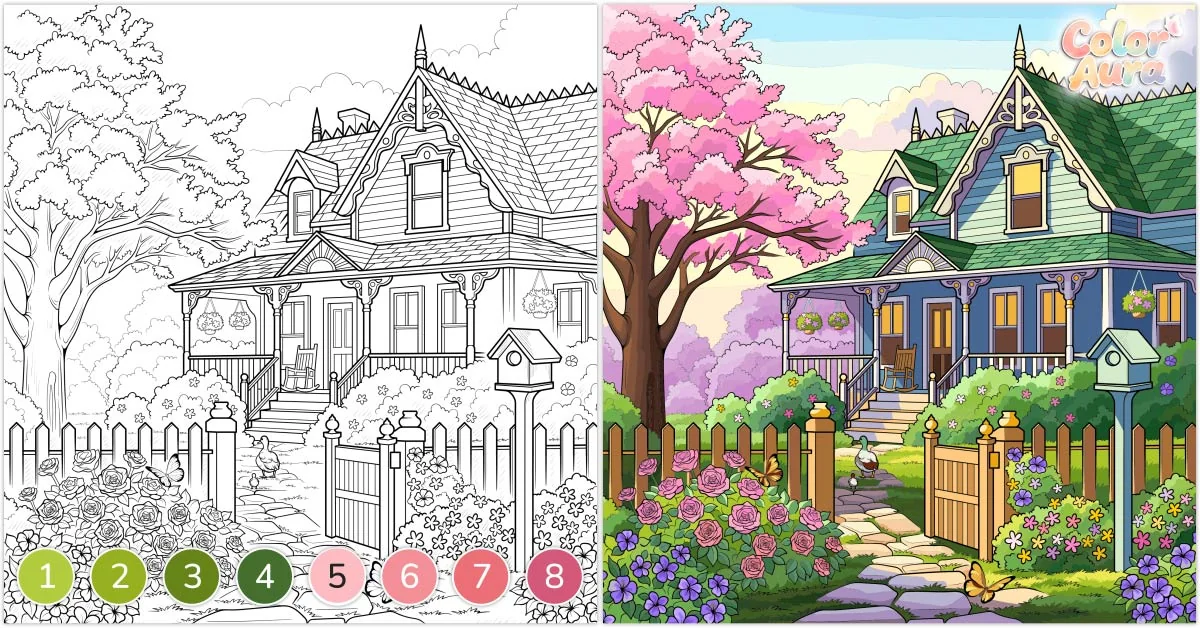
Reduce a house to a rectangle for the walls and a triangle or simple sloping shape for the roof. Add one door and a couple of windows. That is enough structure to begin exploring color.
Use one main color for the walls, another for the roof and a small darker area for the door. Paint the large shapes before the smaller details. A simple house on a plain page is a useful first exercise; trees, brickwork and a full garden can wait.
Small task: paint the same outline in two palettes. Try a blue roof with pale walls, then a warm roof with green details. Keep the drawing unchanged so you can notice the effect of the colors.
7. A seasonal color study
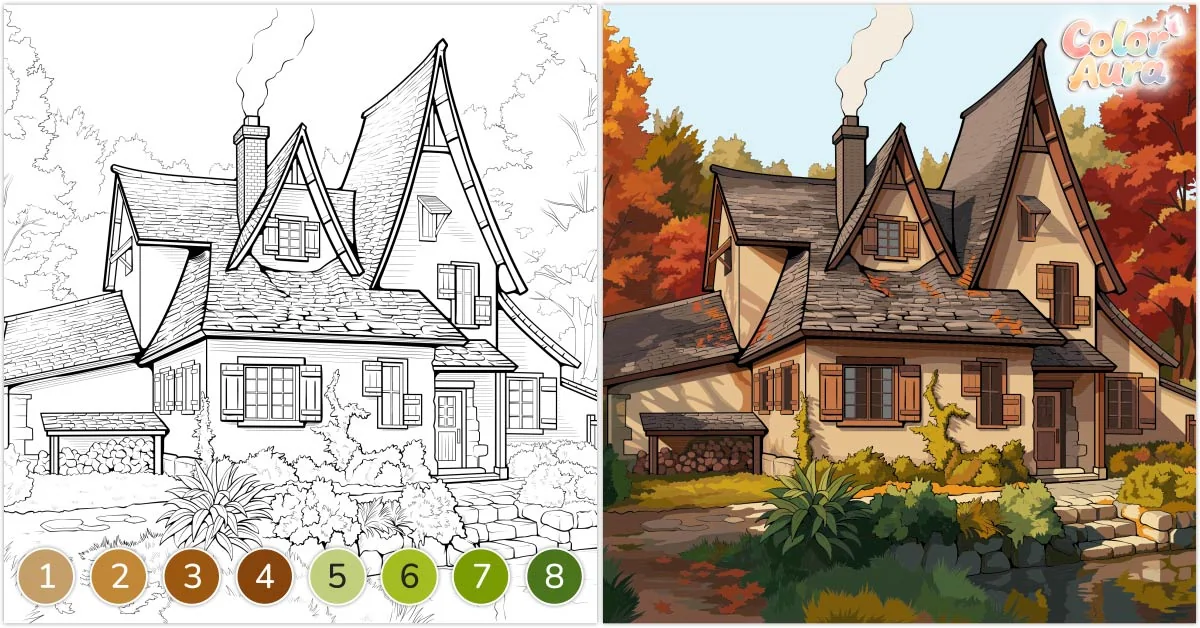
A season can supply a palette before you have chosen a subject. For autumn, try a warm yellow, a reddish orange and a brown. For spring, try a pink, a green and a pale blue. Use paints you have and test each mixture first.
Paint three swatches, then use them for a few leaf shapes or a simple house. Let one color occupy most of the picture and use another for a smaller detail. You can explore a seasonal feeling without painting a detailed landscape.
Small task: make two tiny studies using the same three colors. Change which color takes up the most space and compare the results after they dry.
Choose one idea and keep the first version small
Choose the idea whose first step you can picture yourself doing. Cut or select a small piece of suitable paper, test two or three colors and begin with the largest shape. Keep spare paper beside you for testing a brush mark.
After the session, leave a note about one thing to repeat or change. Returning to the same subject can make those choices clearer than choosing a more complicated picture each time. For ideas about fitting the activity into your day, read painting as a solo hobby.
Prefer a picture that is already drawn?
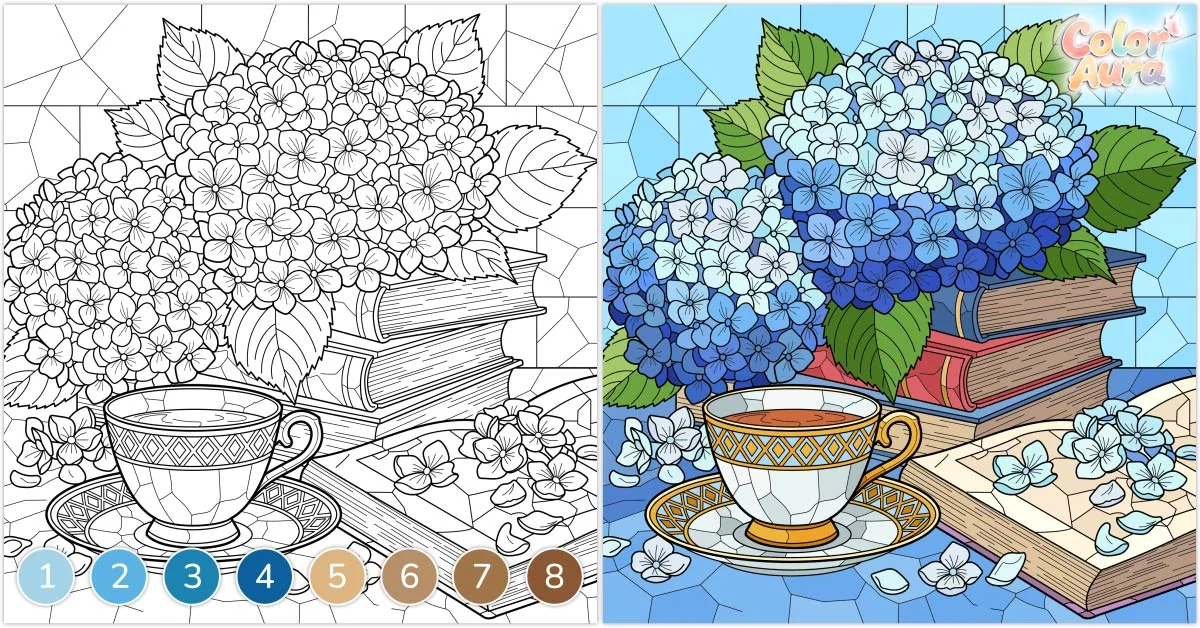
If choosing and drawing the subject is the part that slows you down, guided digital coloring offers a prepared starting point. In Color Aura, you choose a picture, select a numbered color and tap its matching regions. The outline and color key are already there.
Try it when you want to spend time filling a design. Keep the paper exercises for sessions when you want to choose your own palette or explore how paint behaves. Both let you make a little space for color, with different decisions to make along the way.
A Spare Hours practical guide. How we research and write our guides, including our use of AI tools.
Browse All Guides →