How to Start Painting as a Hobby (Even If You’ve Never Painted Before)
Start painting with a small supply list, a simple watercolor leaf exercise and an optional introduction to guided digital coloring.
By Spare Hours · 5 min readPublished
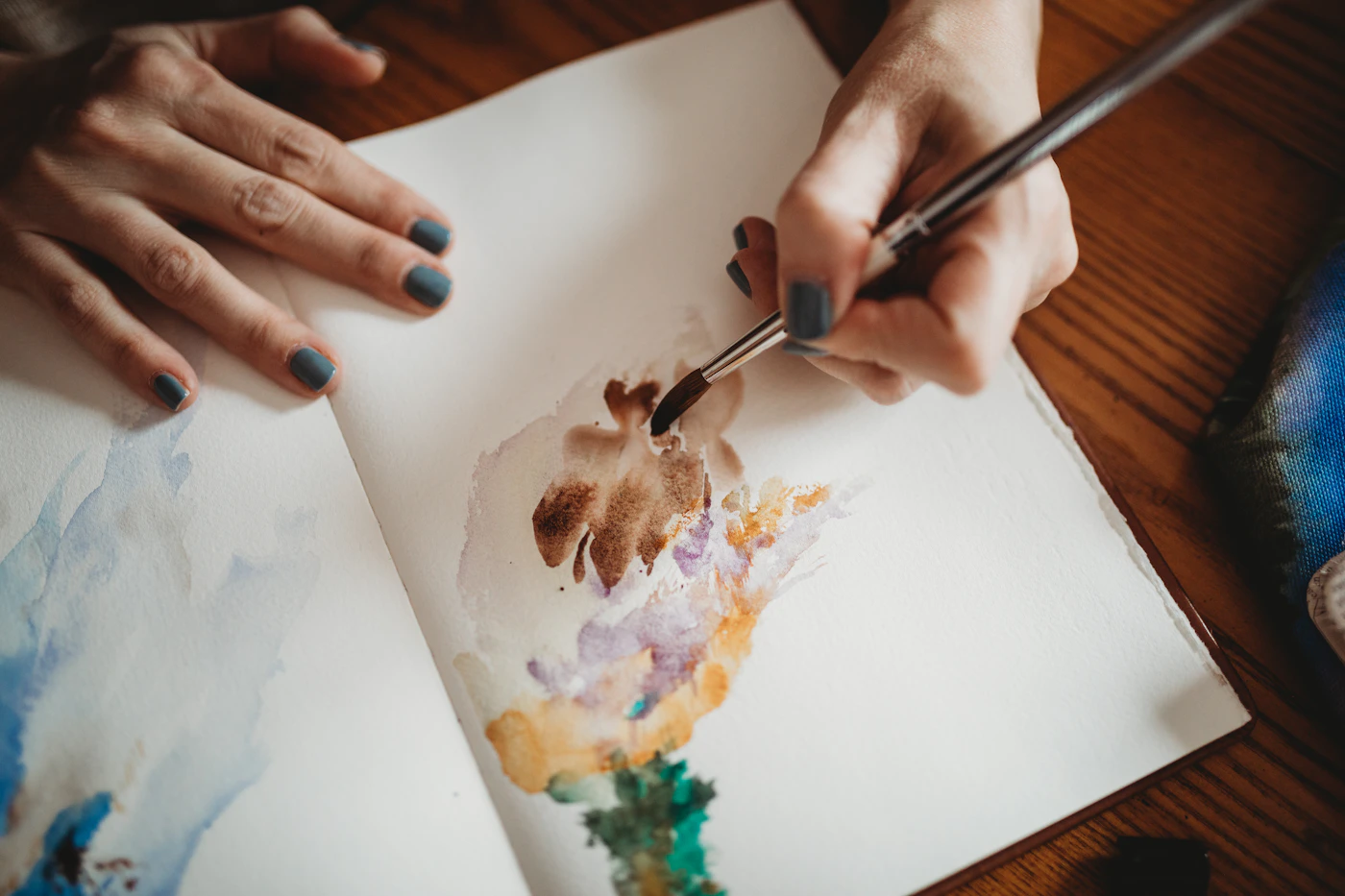
You like the idea of spending an evening with a few colors and something to make. Then you start looking at paints, brushes, and tutorials, and a small hobby begins to feel like a shopping list.
Begin with one type of paint, a small surface, and a subject you can simplify. A leaf or a few overlapping shapes gives you something useful to practice without asking you to finish a complicated scene.
Here’s how to choose a starting point, try a first exercise, and find a version of the hobby you’ll want to return to.
Notice What You Enjoy About the Idea of Painting
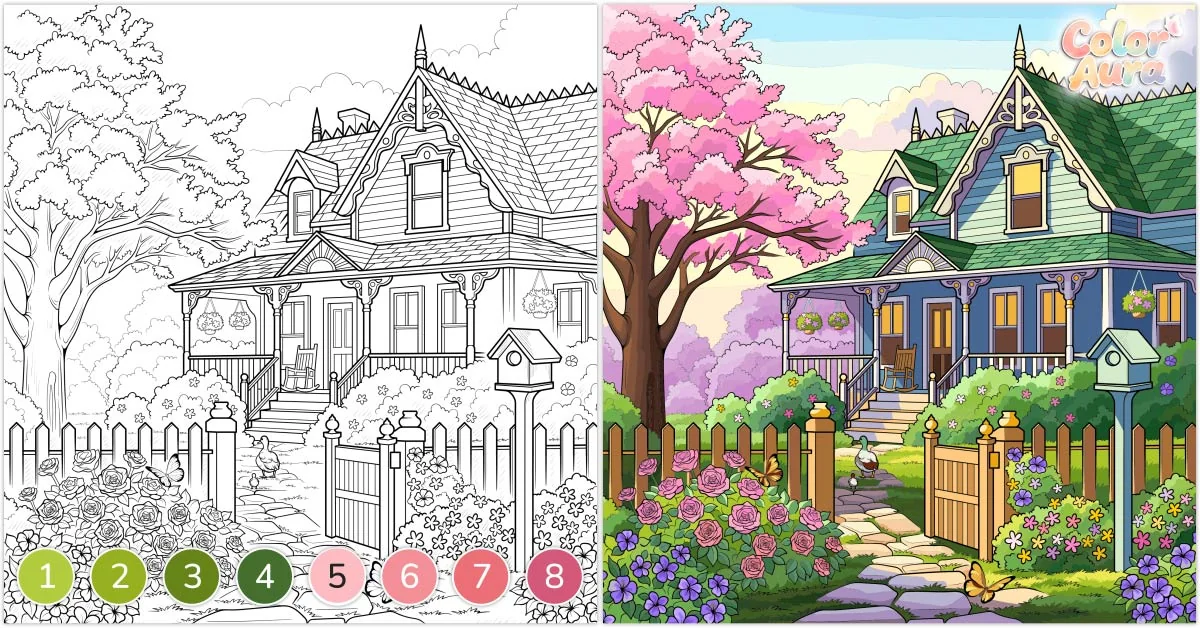
Think about the pictures that catch your attention. Is it the way pale blue turns into a darker shadow? The outlines of a little house? Or the gradual appearance of color in a finished design?
These interests can lead to different activities. Painting on paper lets you make decisions about brushstrokes, color, and composition. A prepared coloring design gives you an outline to work within. Guided color-by-number supplies a color key as well.
If you want to learn how paint behaves, start with a small paper exercise. If you mainly want to spend time filling a design with color, a coloring activity may suit your first evening. You can try both over time.
Choose One Medium Before Buying More
Watercolor is worth considering if you like transparent washes and want a compact setup. It needs suitable paper, and the amount of water on your brush changes the result. Try small shapes first so you can observe those changes.
Acrylic is another option if you prefer more opaque color and building up layers. It dries relatively quickly, so working on a small surface helps. Follow the paint’s instructions for suitable surfaces and clean brushes before paint dries in them.
For the exercise below, use watercolor. A basic setup is enough:
- A small watercolor set with blue, green, and yellow ochre or another warm yellow.
- A medium round watercolor brush.
- A few small pieces of watercolor paper.
- A cup of water and a paper towel.
- A pencil if you would like to draw a faint outline.
Use what you already have when it suits the medium. There’s no need to buy an easel or a large collection of brushes for a first paper exercise.
Make Three Color Swatches
Before starting a picture, put a little blue on your brush and paint a small rectangle. Add water to the brush and make a second, lighter rectangle beside it. Repeat with green and your warm yellow, rinsing the brush between colors.
You now have a useful reference for the colors on your paper. Let the swatches dry, then compare them. Which is darkest? Which feels strongest beside the others? Which lighter wash leaves plenty of white paper showing through?
Keep these swatches beside your next exercise. They are a simple way to test a choice before putting it into a picture.
Try a Leaf Instead of a Whole Landscape
A leaf gives you a clear outline, a broad area of color, and a place to practice a darker detail.
- Draw a loose oval that tapers to a point, with a short stem. Keep it about the size of your palm.
- Mix green with enough water to make a light wash. Test it on spare paper.
- Fill the leaf with that wash, leaving a narrow strip of paper unpainted for the central vein if you like.
- Let the first layer dry.
- Test a slightly darker green, then add a small shadow along one edge or a few thin veins.
Give yourself about twenty minutes for experimenting. The leaf may need longer to dry; there’s no reason to rush that part.
Notice one thing as you work: how much water gives you a wash you like, how the tip of the brush makes a line, or how the second layer changes the first. That observation gives you something to use next time.
Choose Your Next Subject by Its Shapes
When you’re ready for another picture, pick something that can be reduced to a few shapes. A mug becomes an oval, a body, and a handle. A simple cottage becomes a rectangle and a roof. A flower can begin with a center and a handful of broad petals.
Choose one subject and leave the background plain at first. A cottage doesn’t need every brick, tree, and window box to be an enjoyable painting exercise.
For color, return to your swatches. Try using one color for most of the subject, another for a smaller area, and a little of the third for a detail. Fewer choices make it easier to notice how the colors work together.
Make the Next Session Easy to Start
Keep your paper, brush, and paints together. Leave yourself a specific next task, such as “paint three blue shapes” or “try the leaf again with a lighter first wash.”
Save early attempts if you can. Compare a repeated subject with your previous version and look for one change: an edge you prefer, a clearer light area, or a color combination you would use again.
A hobby can include unfinished pages and small experiments. You can decide which ones deserve another session.
Want to Enjoy Color Without Setting Out Paints?
Some evenings, you may want a creative activity that begins with a picture already drawn. Guided digital coloring gives you that starting point.
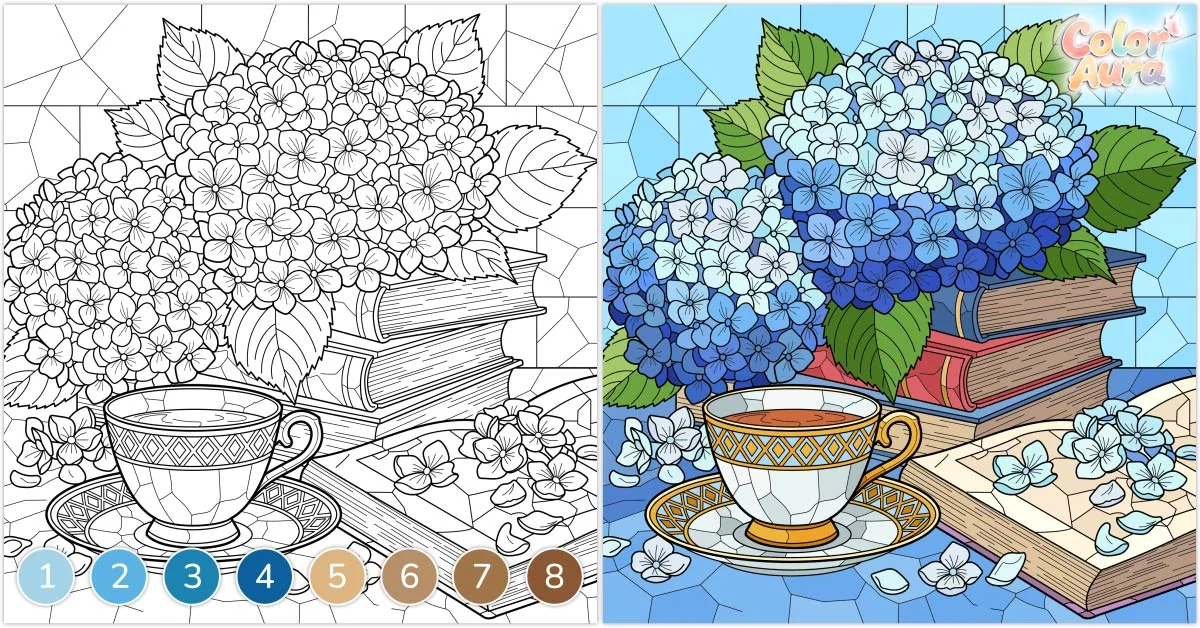
In Color Aura, you choose a picture, select a numbered color, and tap the regions with the matching number. The outline and color key are provided, so you can spend your time filling the design rather than preparing a drawing or mixing paint.
Use it for the filling process and the pleasure of seeing a design gain color. Keep your paper exercises for exploring brushwork and choosing your own mixtures. You can make room for whichever activity fits your evening.
Sources
- Will Kemp Art School: How to Begin Painting, Further reading on choosing a painting medium and starting with simple subjects.
A Spare Hours practical guide. How we research and write our guides, including our use of AI tools.
Browse All Guides →