Why Painting Makes a Lovely Hobby to Enjoy on Your Own
Make room for a creative evening with small painting projects, a simple setup and ways to begin with a prepared design.
By Spare Hours · 5 min readPublished
An evening to yourself can disappear into scrolling before you’ve decided what to do with it. If you’d rather spend some of that time making something, painting is one option worth exploring. Start with a small subject, a few colors and a place where you can leave the page to dry.
You can choose the scale of the activity: a few brushstrokes on paper, a page of color experiments or a prepared design to fill. Here are some ways to find a version that fits the time and space you have.
You get to choose what interests you
Begin with something you already like looking at. It might be the blue of a favorite cup, a flower on the windowsill or the warm colors of houses along a street. That interest gives you a reason to return to the page, even when the first attempt is uneven.
Choose one part of the subject. A flower arrangement can become three petals and a stem. A room can become a small study of the colors in a chair and a plant. You decide which details to include and which to leave for another evening.
For a first session, write down one thing you want to try: a pale wash, a rounded shape or two colors beside each other. Having a specific experiment in mind makes it easier to begin. The seven beginner painting ideas offer subjects you can simplify this way.
A small space can be enough
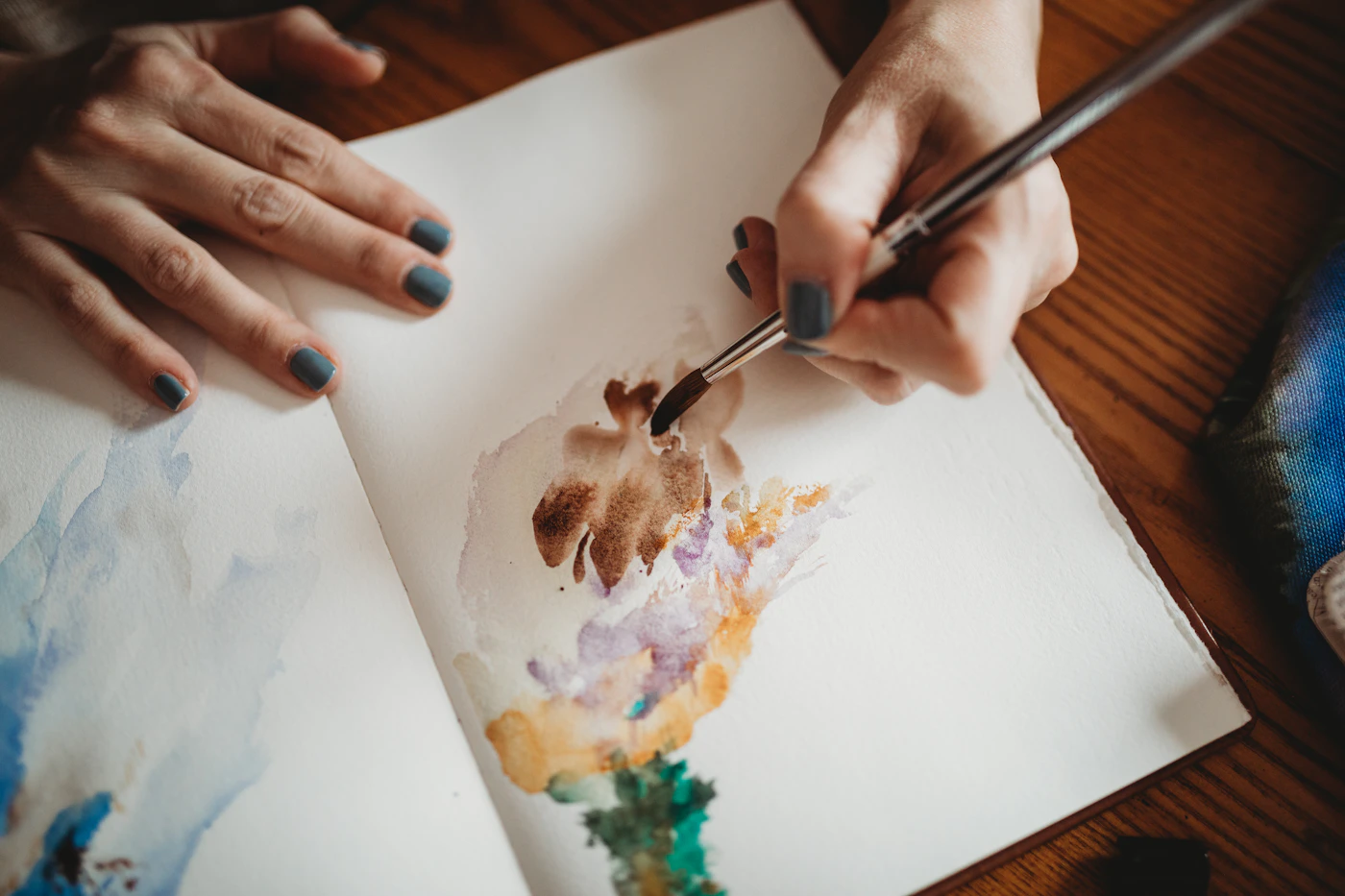
A little watercolor painting can fit on a clear patch of table. Put paper within reach, protect the surface and keep a water cup separate from anything you are drinking. Check the light by sitting where you plan to work; your hand should not cast a shadow across the whole page.
Gather a few supplies in a tray or pouch so you can put them away together. Leave somewhere flat for wet paper to dry. If you share the table, plan where the page will go when someone needs the space.
The setup can help you choose the activity. Paper painting needs room for water and drying work. Colored pencils need less preparation. A phone-based coloring activity is another option for times when a table is unavailable. You can choose according to the space you have that day.
Give yourself a small, clear goal
Set aside a short session for trying something, then allow more time if you want it. You might paint three swatches, draw one leaf or fill a single area of a coloring design. A goal this size gives you an obvious place to start and a comfortable place to pause.
If you are using watercolor, include drying time in your plans. A break between layers gives you a chance to look at the page from a little distance. You can leave a note about what to add next instead of trying to finish while the paper is still wet.
At the end, name one thing you noticed. Perhaps the lighter blue looked better beside the green, or a larger shape was easier to paint. Use that observation to choose your next small task. A page of experiments can be useful even when you would not frame it.
You don’t have to begin with a blank page
Drawing and painting can be explored together, but you can also separate them. Try a faint outline of a leaf, trace a simple shape you have made yourself or choose a prepared coloring page. An outline reduces the number of decisions you need to make at once.
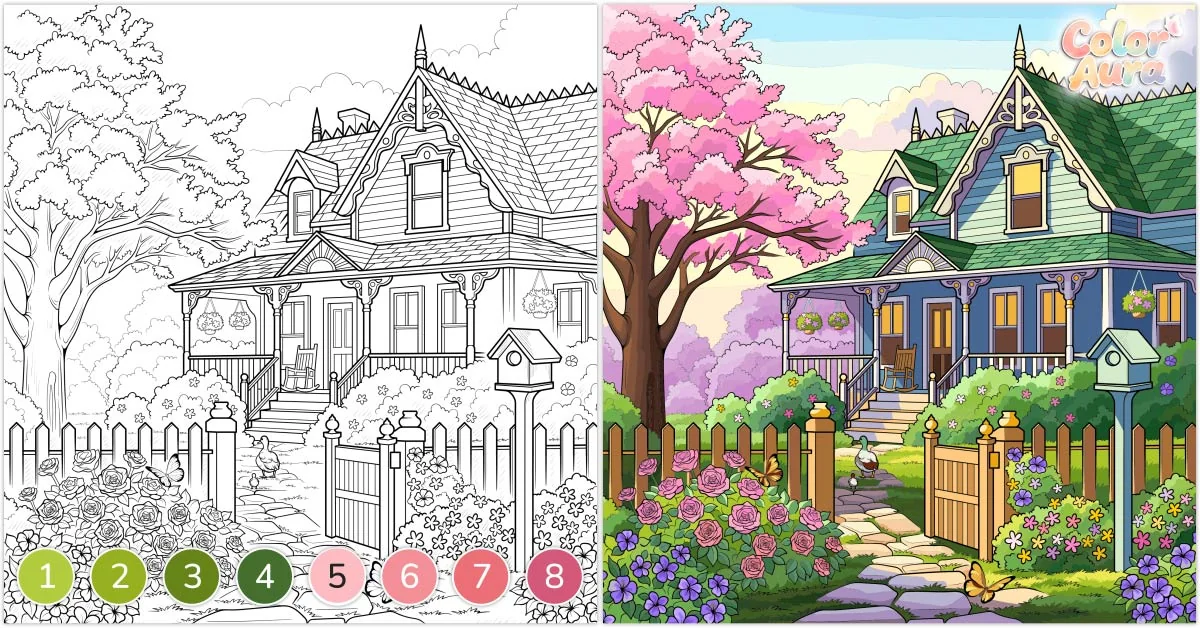
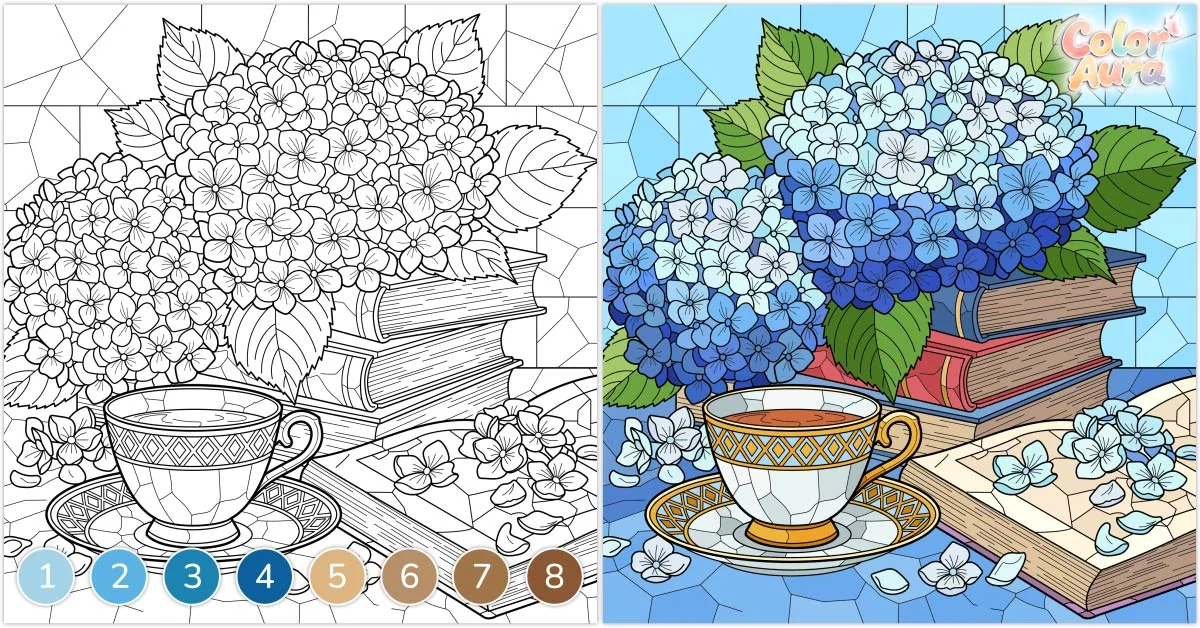
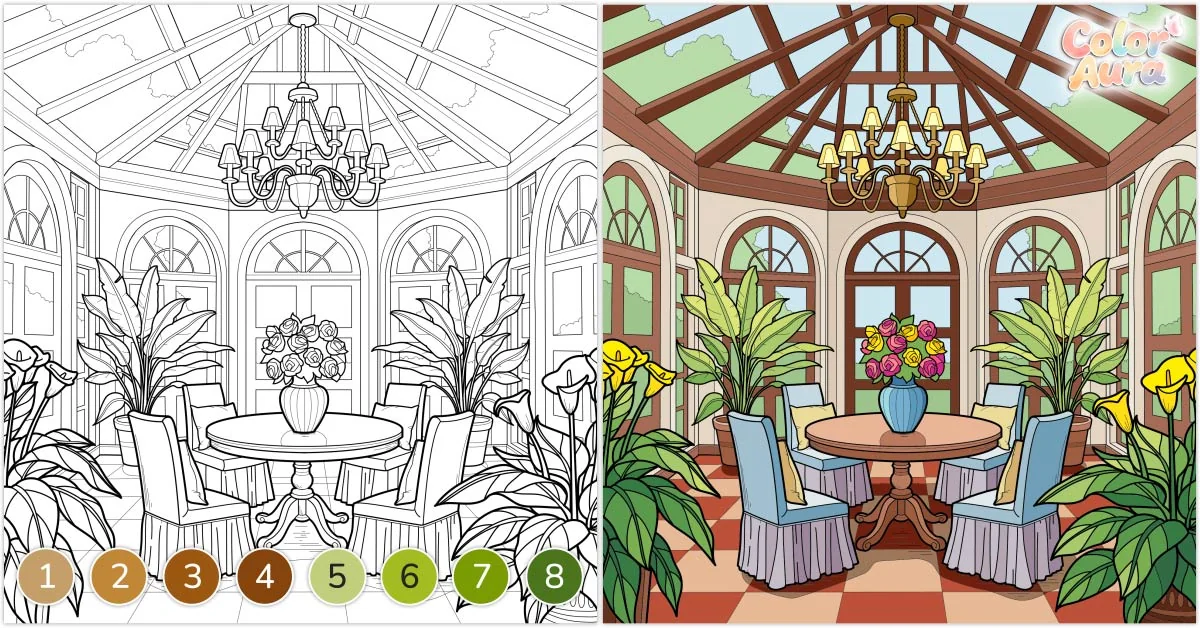
Prepared activities offer different amounts of guidance. On a plain coloring sheet, you usually choose the colors. A color-by-number design provides a key, and a digital version lets you fill matching regions on a screen. The choice depends on whether you want to experiment with your own palette or follow a supplied one.
For a paper option, browse the free color-by-number sheets and check the printing instructions beside each design. For painting with a brush, use suitable paper and begin with a broad shape. A detailed promotional picture can be enjoyable to look at without becoming your first painting assignment.
Choose a version you will want to come back to
After a few sessions, notice which part held your attention. If it was mixing paint and trying different marks, keep a small paper practice going. If it was filling an outline and watching the design take on color, prepared coloring might be the activity you reach for more often.
You can keep more than one option available. Put a pencil and a small pad where you can find them, and save a simple task for the next time you have a table. On another evening, choose an activity that needs less setup.
A repeatable starting point helps: the same tray of supplies, a familiar subject or one design to continue. When you feel ready to explore paint itself, the beginner painting guide includes a supply list and a watercolor leaf exercise.
A simple way to try guided coloring
If the filling process is what appeals to you, Color Aura is one way to try it on your phone. Choose a picture, select a numbered color and tap the regions with the matching number. The drawing and color key are provided.
You can begin with one numbered color and pause when you need to. Use paper painting when you want to explore brushstrokes and your own mixtures; use guided coloring when you want a prepared design to work within. Either can have a place in an evening to yourself.
Sources
- Jenna Rainey: Why Painting is One of the Best Solo Hobby Ideas, Further reading on painting as an activity to enjoy at your own pace.
A Spare Hours practical guide. How we research and write our guides, including our use of AI tools.
Browse All Guides →