Grow a little
How to start a windowsill herb garden with one pot
Pick a herb that suits your window, give it about six hours of direct sun, water only when the mix starts to dry and harvest a little at a time. A one-pot guide.
By Mori · 4 min readPublished · Updated
A windowsill herb garden needs three things: a window with plenty of direct sun, one pot with a drainage hole, and the habit of checking the soil before you water. University extension services agree on the light: most kitchen herbs need about six hours of direct sunlight a day, which in most homes means a south-facing window.
This guide walks through one pot from start to first harvest. Choose a herb you already cook with, so that snipping a few leaves becomes part of an ordinary meal.
Which herb suits your window?
Start with the light you have, not the herb you want most. Penn State Extension groups herbs by how much direct sun they need: bay, rosemary and thyme do best in full sun, while lemon balm, chives and cilantro tolerate lower light and need 2 to 6 hours of direct sun. Basil is a popular first choice, but it is a warm-weather plant.
Watch your window for one day before buying. Note when direct sun reaches the sill and when it leaves. If you see fewer than four hours, pick chives over basil, or plan for a grow light.
| Herb | Direct sun | Watering | Good to know |
|---|---|---|---|
| Basil | About 6 hours | Never let the mix dry out completely | Keep above 50°F; move away from cold glass in winter |
| Chives | 2 to 6 hours | Water when the surface starts to dry | One of the more forgiving choices for a dimmer window |
| Mint | Sun or partial shade | Water when the surface starts to dry | Spreads vigorously, so give it a pot of its own |
| Thyme or rosemary | Full sun | Let the mix dry out slightly between waterings | Best in your brightest window |
What you need for one pot
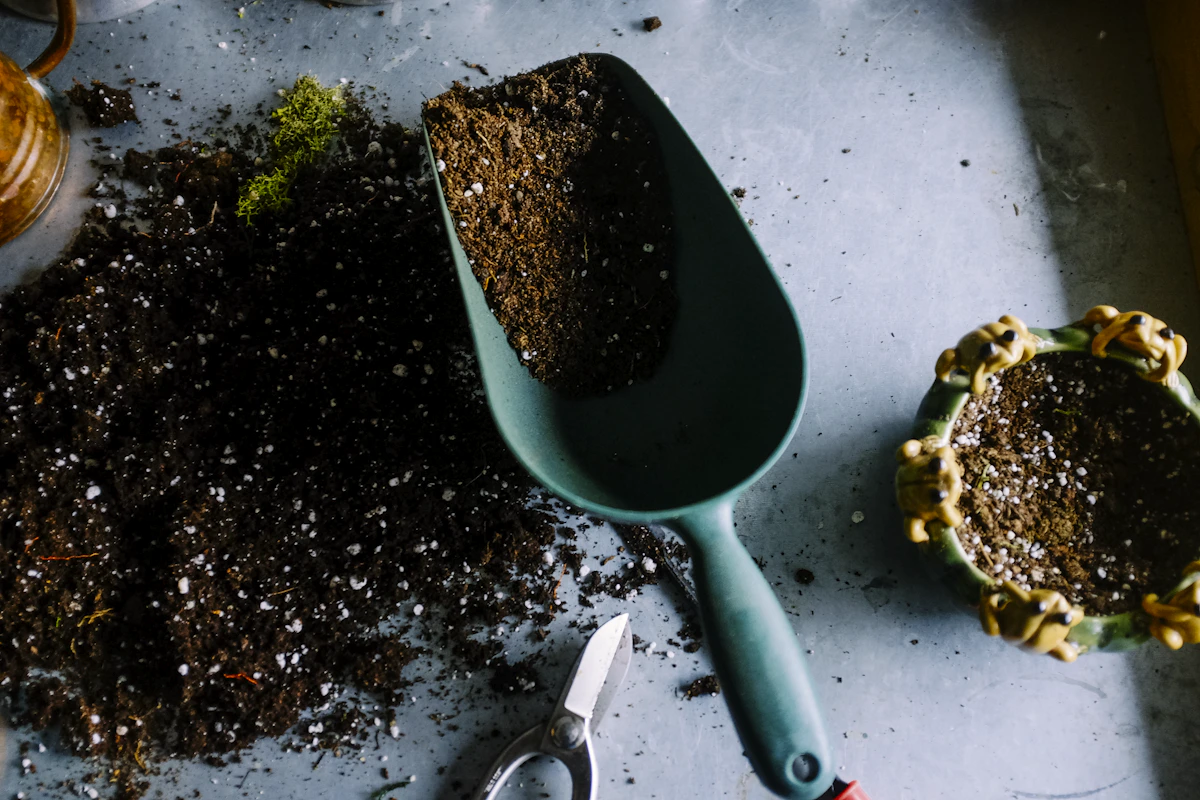
Illinois Extension recommends well-drained potting soil and a container at least 6 inches in diameter with a drainage hole. Garden soil packs down in a pot and holds too much water, so use a bagged potting mix.
- One healthy young herb plant from a garden center. It is quicker than starting from seed.
- A pot at least 6 inches across with a drainage hole, and a saucer to catch water.
- Bagged potting mix.
- Scissors or kitchen snips for harvesting.
Where to put the pot
Place the pot as close to the brightest window as you can. Herbs that do not get enough light grow thin and spindly, with smaller leaves and less scent. Turn the pot every few days so all sides get light.
Penn State suggests daytime room temperatures of at least 65 to 70°F and 55 to 60°F at night. Avoid spots right above a heating vent, which dries plants out, and in winter move basil back from the glass: it cannot survive temperatures lower than 50°F.
No sunny window? Herbs can grow under a light instead. Illinois Extension suggests fluorescent lights 6 to 12 inches above the plants for 12 to 14 hours a day.
How often to water
There is no fixed schedule. Water when the potting mix starts to dry out, which you can check by pressing a finger into the top inch. Water until it runs from the drainage hole, then empty the saucer so the roots are not left sitting in water.
Some herbs differ: rosemary, thyme and sage prefer to dry out slightly between waterings, while basil should never dry out completely.
Penn State recommends a low dose of water-soluble fertilizer every two weeks; feeding more often can weaken the flavor.
When and how to harvest
Wait until the plant is growing steadily, then snip a few stems from the top rather than stripping one side. The RHS notes that pinching out or cutting herbs before they flower helps keep them bushy. Rinse the leaves before cooking.
When roots start growing out of the drainage hole, the plant needs a bigger pot. Early spring is the best time to repot.
Common problems
Tall, floppy stems with small leaves: not enough light. Move the pot closer to the window or add a grow light.
Dry, crispy leaves: often low winter humidity from central heating. Penn State suggests setting the pot on a tray of pebbles and water.
Mint taking over: many mints are vigorous, spreading plants best grown in pots. Keep mint in its own container.
Common questions
What is the easiest herb to grow on a windowsill?
Chives are a good first choice for a window that does not get full sun, because they tolerate 2 to 6 hours of direct light. Basil grows quickly in a warm, very bright window.
Can I grow herbs in a north-facing window?
Most herbs will struggle with that little direct sun. Use a grow light for 12 to 14 hours a day, or choose a low-light herb such as chives and accept slower growth.
Can I use soil from the garden?
Use bagged potting mix instead. Garden soil can contain too much clay and packs down in a container.
Sources
From the Mori notebook. How we research and write our guides, including our use of AI tools.
Back to the notebook →