A little escape
Slow travel: how to plan a relaxed trip
Plan a slower, more relaxed trip: one main activity a day, a base close to what matters to you, accessibility checks before booking, and money-saving passes for travelers 62 and over.
By Mori · 3 min readPublished · Updated
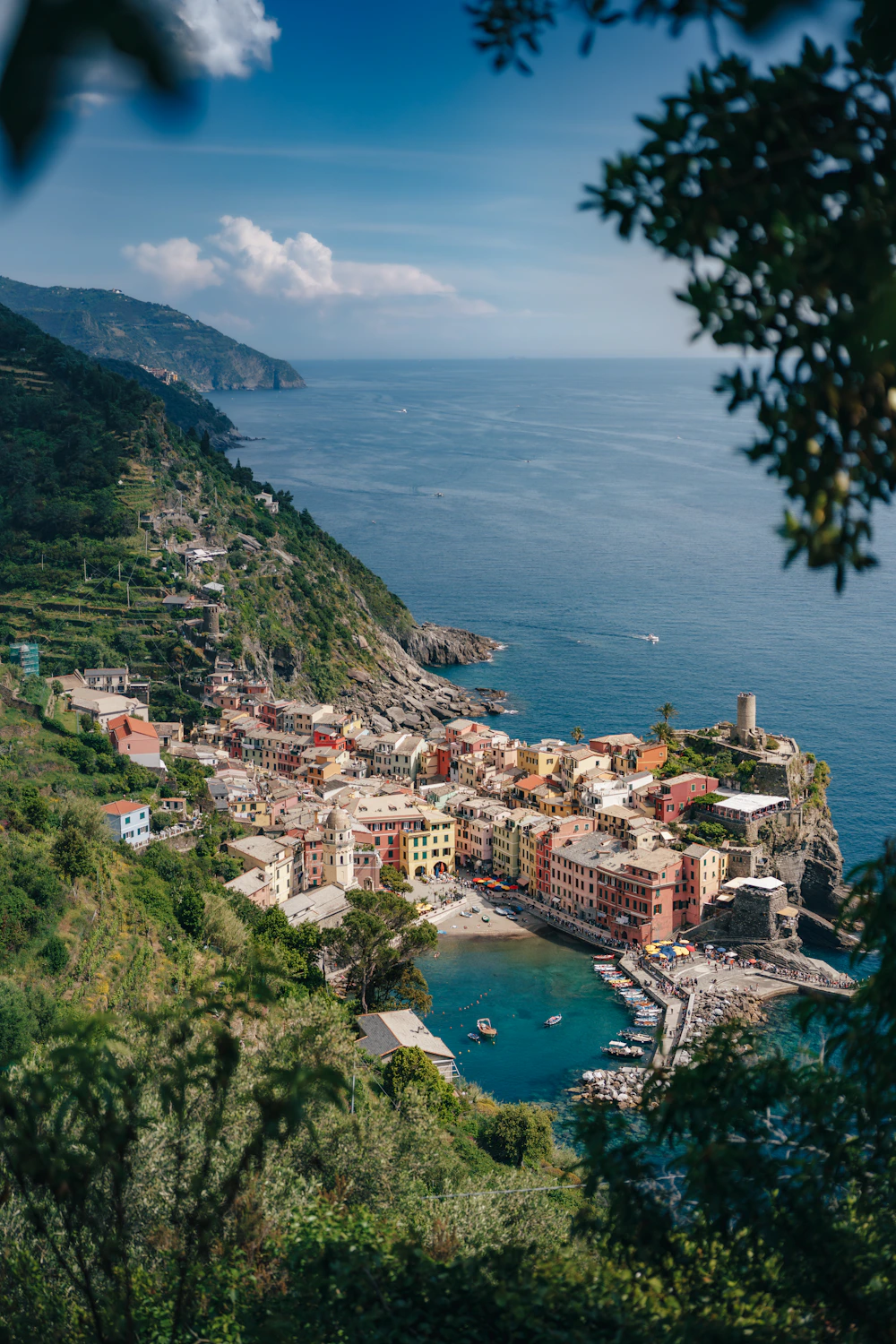
Slow travel is a way of traveling that sees fewer places and spends more time in each. In practice: plan one main activity a day, stay somewhere close to it, and leave free time for rest and the things you discover along the way.
A relaxed pace also makes a trip easier to manage physically. Checking walking distances, steps and transport before you book is part of the plan, not an afterthought.
Plan one main thing each day
Pick the one thing you would be most disappointed to miss each day: a garden, a museum, a coastal walk or a long lunch. Plan the day around it and treat everything else as optional.
Build in time for getting there, a rest in the afternoon and an early evening. A trip with fewer stops tends to leave more room for the moments you remember.
Choose where to stay
Stay close to what you plan to do most, even if it costs a little more. A short walk or one bus ride each day is easier than long transfers.
Staying several nights in one place means unpacking once. Repeating a favorite café or walk can become part of the pleasure of the trip.
Check access before you book
Photos rarely show hills, steps or the distance from the station. Look up walking routes on a map, ask your accommodation about stairs and elevators, and check opening hours and transport.
For US national parks, each park’s website lists its accessible features, programs and services, which you can check by park before you go.
- Distance and gradient from accommodation to the places you plan to visit.
- Stairs, elevators and seating at stations, hotels and attractions.
- Public transport routes, timetables and step-free access.
- Opening days and hours, including seasonal closures.
Passes for travelers 62 and over
US citizens and permanent residents aged 62 or older are eligible for the America the Beautiful Senior Pass. The Senior Lifetime Pass costs $80 and the Senior Annual Pass costs $20. Many park sites have no entrance fee at all: the Park Service notes that fewer than a quarter of its more than 400 sites charge one.
Pack for the trip you planned
Pack for the weather and the walking you actually plan to do: comfortable shoes you have already worn in, a light layer, any medications in your carry-on, and a copy of your itinerary and bookings on paper as well as on your phone.
Common questions
What is slow travel?
A way of traveling that visits fewer places for longer, with a relaxed daily pace and time to get to know each place.
How much is the national park senior pass?
For US citizens and residents 62 or older, the Senior Lifetime Pass is $80 and the Senior Annual Pass is $20.
Sources
From the Mori notebook. How we research and write our guides, including our use of AI tools.
Back to the notebook →