How to Clean Your Fridge: A Shelf-by-Shelf Checklist
Gather a cooler, clean one removable shelf at a time, dry the surfaces and put food back where you can see it. Includes a shopping-day checklist.
By Spare Hours · 3 min readPublished
Clean the fridge when it is relatively empty, such as before a grocery trip. Prepare a cold place for perishable food first, then work from the top down. A bowl of warm soapy water, clean cloths and dry towels are enough for routine cleaning; follow the appliance manual for removable parts.
This checklist is for ordinary spills and shelf cleaning. If the appliance has lost power, or you have a food recall, check the food-safety guidance linked below before deciding what to keep.
Gather What You Need
Put a cooler, cold packs, a bowl, dish soap, two clean cloths, a dry towel and a trash bag within reach. Check the manual before removing a drawer or using a cleaner. Do not mix cleaning products.
- Choose a time when you can finish without leaving food on the counter.
- Clear a spot for removable shelves and drawers.
- Keep a short list for items you have finished and need to replace.
Empty and Check One Area at a Time
Move perishable food to the cooler. Group unopened items, opened containers and produce separately so you can see what you have. Look for leaks, damage and signs of spoilage; do not taste food to decide whether it is safe.
Write an opening date on containers when useful. Dates and a clean appearance cannot tell you that every food is safe; use the storage guidance for that food.
Wash Shelves and Drawers
Remove parts as directed by the manufacturer. Allow a cold glass shelf to come closer to room temperature before washing it; sudden temperature changes can damage glass.
Wash with warm soapy water, rinse and dry. Wipe the inside from top to bottom so debris falls onto areas you have not cleaned yet. Pay attention to the shelf supports, door seals and corners. Avoid soaking electrical controls or vents.
Put Food Back in a Useful Order
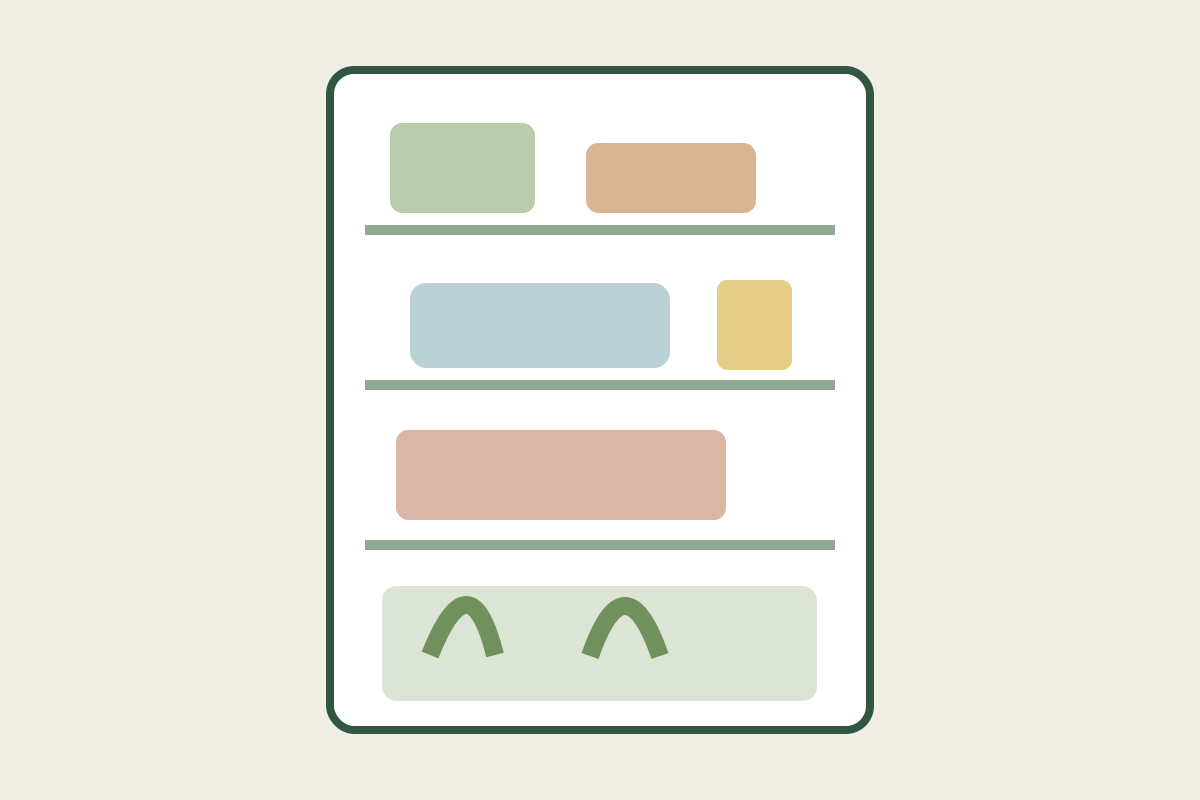
Return chilled food promptly. Put food you plan to use soon at the front, and use a small tray for similar containers. Keep raw meat, poultry and seafood contained on a low shelf so they cannot drip onto prepared food.
Do not pack shelves so tightly that you cannot see labels or allow air to circulate. Use an appliance thermometer to check that the fridge is at 40°F (4°C) or below.
| Area | What to Check |
|---|---|
| Shelves | Dry surfaces; covered food; labels facing forward |
| Lower shelf | Raw meat in a leakproof container |
| Drawers | Damaged produce removed; drawer dry |
| Door | Sticky spills cleaned; seals free of crumbs |
Before Your Next Grocery Trip
Check the front of each shelf before making your list. Plan a meal around food that is still safe to use, note what you need, and avoid buying a second jar just because the first one was hidden. The pantry meal-planning guide uses the same check-first approach.
Sources
A Spare Hours practical guide. How we research and write our guides, including our use of AI tools.
Browse All Guides →