
Retirement & everyday interests
11 Retirement Hobbies for Women to Try at Your Own Pace
Discover 11 retirement hobbies for women, with everyday benefits and easy first steps—from gardening and book clubs to color by number.
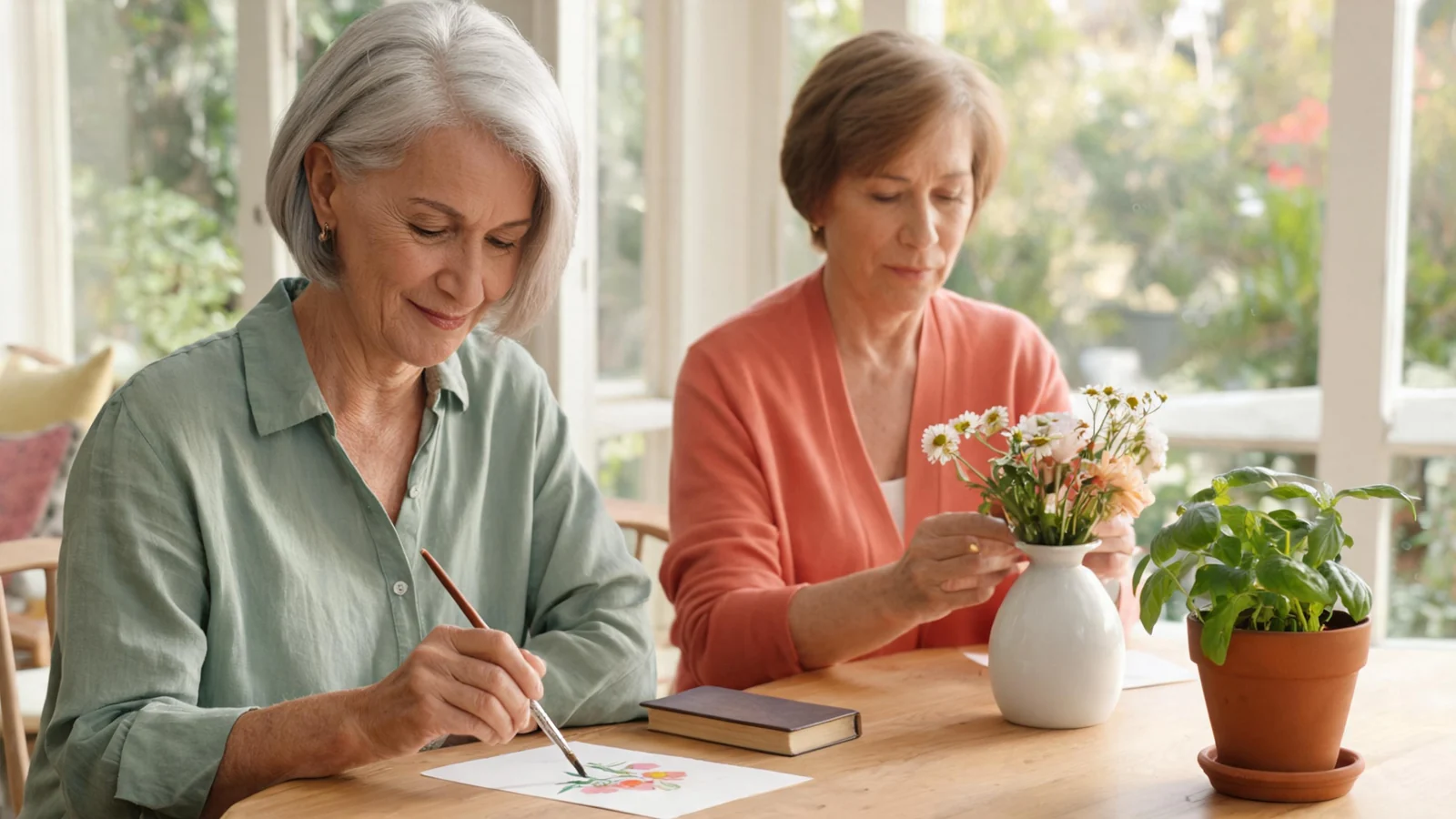
A hobby can give retirement a welcome rhythm: something to look forward to, a small project to finish or a reason to meet people who share an interest. It also makes room for a part of life that work and family commitments may have pushed aside.
You might return to painting, grow your first herbs or discover an entirely new interest. The National Institute on Aging encourages older adults to choose meaningful activities and begin with one or two rather than filling the calendar at once.
These eleven retirement hobbies for women offer creativity, learning and connection in different ways. Each has a simple starting point, so you can try the experience before investing in equipment or a regular commitment.
1. Grow a small garden
Gardening gives you a little routine with changes to anticipate: a new leaf, an opening flower or herbs ready to pick. Even one plant brings something living to tend and a topic to share with a neighbor who gardens.
Try first: Choose one pot of herbs or a flowering plant. Ask a local nursery what suits your available light and how to care for it. Start somewhere you can comfortably reach; add more plants only if you enjoy the upkeep.
2. Paint a personal postcard
A postcard makes painting a manageable creative project. You can express a favorite color combination and finish something personal to send to a friend. A small card offers the pleasure of making a gift without tackling a whole canvas.
Try first: Use suitable paper, a brush and a small watercolor set. Test a few colors on scrap paper, paint a flower or simple shapes, then add a message after it dries. A supplied outline is fine if you prefer a starting structure.
3. Enjoy color by number on your phone
If you’d like to bring a picture to life without getting out paints or deciding what to draw, digital coloring offers a ready-made beginning. A creative break can fit into an ordinary moment in your favorite chair.
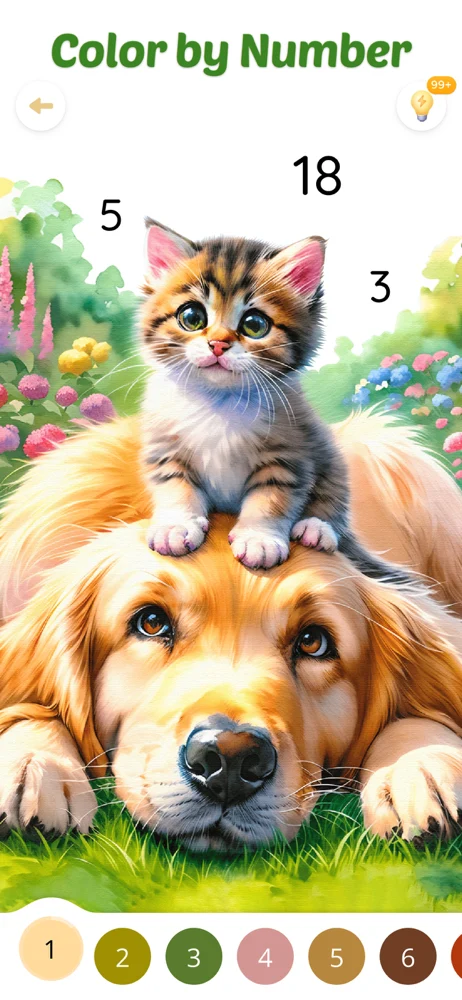
That’s where Color Aura fits. Choose an animal, flower or landscape that catches your eye. Select a numbered color and tap its matching areas; more of the picture appears as you work. The supplied drawing and palette give you a clear next step and small milestones to enjoy on the way to a finished illustration.
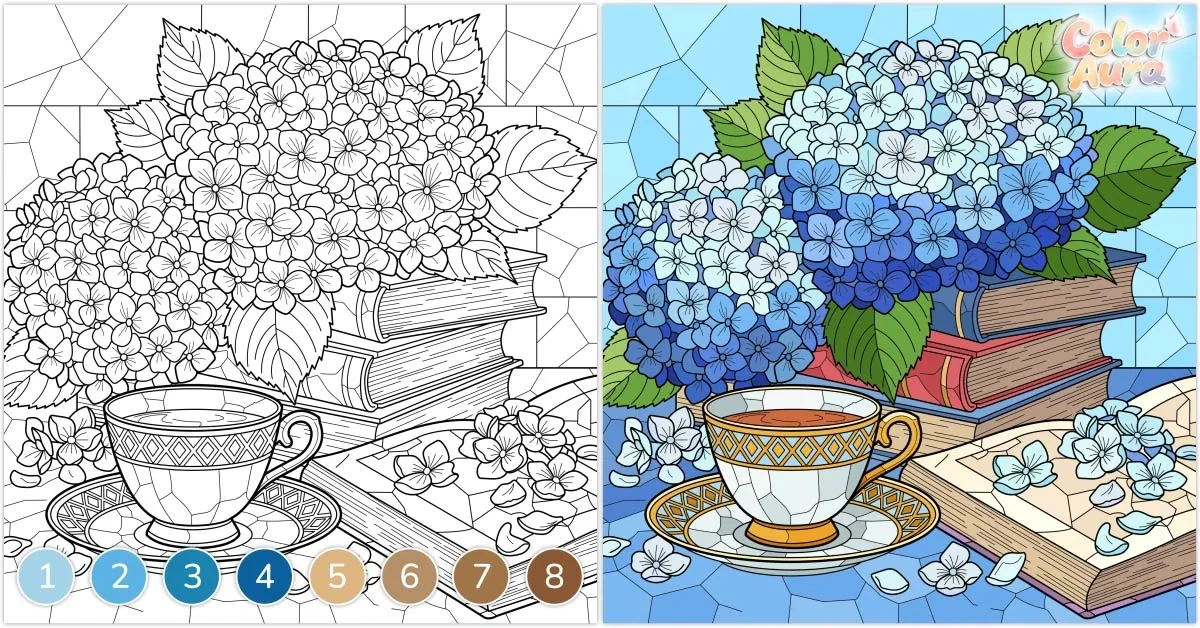
Try first: Pick a subject you like and fill a few areas with one color. Notice whether the numbers and tapping feel comfortable on your screen before choosing a more detailed picture.
No paint supplies. No cleanup. No drawing skills needed. Just a compatible phone or tablet and a picture you’d like to bring into color.
Find your first Color Aura picture
Choose an illustration you love and start with one numbered color.
Free to download.
For a screen-free moment, a paper coloring page and a few pencils offer another way to enjoy color.
4. Join a book club
A book club puts shared interests and conversation on the calendar. Discussing a story can introduce new perspectives and make meeting people easier because you already have something in common. Look for a group that reads what you enjoy, from mysteries to memoirs.

Try first: Ask your library about current clubs, the next book and whether newcomers can visit once. Borrow the book if available and bring one question. Online or audiobook-friendly meetings can offer other ways to take part.
5. Watch birds from a familiar spot
Birdwatching brings discovery to an ordinary view. Recognizing a returning bird or spotting a seasonal visitor gives you something new to notice without needing a long outing. A window, porch or nearby park can be a starting place.
Try first: Watch one bird and note its size, colors and behavior. Use a borrowed field guide or Audubon’s birding resources to look for a match. Observe from a comfortable spot without disturbing wildlife.
6. Give a photo walk a theme
Photography gives a familiar walk a purpose and encourages you to notice details you might usually pass: red doors, leaves or reflections. Your pictures become a record of what caught your eye, ready to share or revisit later.
Try first: Take a handful of photographs around one theme using your phone. Choose a short, comfortable route and stop safely before taking a picture. At home, compare two shots and keep a favorite. An indoor version works, too.
7. Make a recipe keepsake
Writing a recipe preserves knowledge gathered over the years. Add the story behind a dish and it becomes a way to share traditions and start conversations across generations. One meaningful page can be rewarding without committing to a whole cookbook.
Try first: Record a favorite recipe, who taught you to make it and one detail you usually leave unspoken, such as how the dough should feel. Add a date or photograph. Ask a friend or relative for their version.
8. Knit or crochet something small
Yarn turns a little time into something you can hold, with progress visible row by row. A useful piece or handmade gift gives practice a purpose. A local yarn group can add company if you’d enjoy making this quiet hobby a shared one.
Try first: Ask an experienced friend or beginner class for a simple pattern. Make a practice square with one stitch and compatible yarn and tools. Try the materials before buying a bundle, and stop if holding them feels uncomfortable.
9. Follow one family-history story
Family-history research gives curiosity a meaningful subject and helps preserve stories for those who come after you. Asking about one photograph can open a conversation with relatives and turn a private project into a shared memory.
Try first: Pick an old photograph. Note names, place and approximate date; mark uncertain details clearly. Ask someone what they remember and record who supplied the information. Check service costs before subscribing, and get permission before sharing details about living people.
10. Volunteer around an interest
Volunteering gives your experience a new place to be useful. A defined role can bring a sense of contribution and regular contact with people working toward the same goal. Libraries, museums, gardens and animal shelters may offer tasks connected to something you already enjoy.
Try first: Ask a local organization about one event, a trial visit or a clearly defined task. Confirm the time, training and transport before committing to a recurring role. Choose the work itself as well as the company.
11. Learn something in small doses
Learning keeps curiosity part of everyday life and gives you goals you choose yourself. Understanding a subject or playing a few more notes makes progress tangible. A class can also provide a regular reason to meet other learners.
Try first: Explore library events or local classes in history, languages, photography or music. Check materials and fees, and ask about an introductory session. Pick a small goal, such as learning a few travel phrases or the opening of a favorite song.
Start with one enjoyable experiment
Choose one activity and try its smallest version this week. Borrow a book, tend a plant or fill a few numbered areas. Notice whether you enjoy the actions, then decide what to repeat. You don’t need one hobby to suit every moment.
For more ideas at home, see our creative hobbies guide. To make something with friends, try our craft afternoon plan.
Questions about hobbies in retirement
How do I find a hobby if nothing stands out?
Start with a subject, place or skill you already enjoy. Try one small action connected to it and judge the experience of doing it, rather than how impressive the result looks.
Which retirement hobbies are inexpensive?
Borrowed books, labeling old photographs and watching birds from home can need little extra equipment. Phone photography uses a device you already own. Costs depend on your supplies and local access.
Which hobbies can I do at home?
Coloring, small painting projects, knitting, recipe writing, family-history research and indoor gardening can all begin at home. Reading and online classes offer further options. Choose materials and a setup that feel comfortable.
Begin with one color
Find a Color Aura picture you’d enjoy bringing to life.
Free to download.
Sources and image credits
These are introductory hobby ideas, not a tested ranking or promises of health outcomes. NIA’s activity guide informed the meaningful-activity and starting-small suggestions; Audubon supports the birdwatching section. App details were checked against official store listings on October 27, 2026.
Prepared with AI assistance for Spare Hours. Cover image: AI-generated with Davinci. Reading photograph: Rene Terp / Pexels. Product images: official Color Aura promotional artwork and a coloring example supplied for this article. Read our editorial approach, image credits or the app privacy policy.